The procesees of globalization in the contemporary economy and the accompanying development of trade and specialization influance the shape and specifity of modern supply chains. One of the basic characteristics of modern logistics process is its reliability and security. In order to sort out the various risks affecting the level of security in logistics, SSIL suggests to use proprietary taxonomy of threats areas.
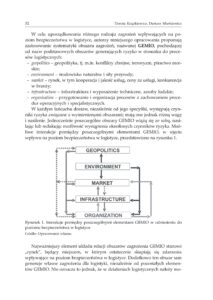
The GEMIO classification of risks in logistics, developed by PhD Dorota Książkiewicz and Dariusz Mierkiewicz, is a tool for systematically identifying and analyzing threats in supply chains and the operation of logistics systems. The GEMIO model distinguishes five main categories of risks, covering both internal and external factors, which allows for a comprehensive view of logistics process security.
The first category is Geopolitical risks (G), arising from political and international situations such as armed conflicts, diplomatic tensions, economic sanctions, or changes in government policies. These factors can limit transport routes and destabilize supply chains.
The second category is Environmental risks (E), including both the impact of logistics activities on the environment and natural events such as floods, hurricanes, or fires, as well as environmental regulations that may require changes in transportation and warehousing.
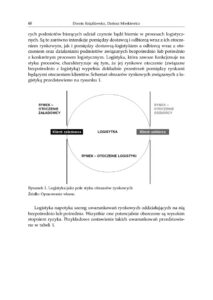
The third category is Market risks (M), resulting from fluctuations in demand and supply, competition, price volatility, and changing customer preferences. These risks affect production planning, distribution, and storage strategies.
The fourth category is Infrastructure risks (I), related to failures or insufficient capacity of roads, bridges, ports, railways, or warehouses, as well as lack of technical equipment. Infrastructure problems directly limit the efficiency of logistics processes and the safety of goods transport.
The fifth category is Organizational risks (O), arising from management errors, poor coordination of processes, staff issues, or lack of emergency procedures. These risks can lead to delays, financial losses, or disruptions in the supply chain.
The GEMIO classification enables more complete identification and monitoring of logistics risks. It supports preventive planning, risk mitigation strategies, and building resilience in logistics systems against unforeseen events.